A Reflection on the Clinical Depth, Personal Meaning, and Lasting Impact of Choosing Home-Based Practice as a Career
There is a particular quality of attention that home health practice demands — a quality that clinical training develops theoretically and that home-based practice develops entirely. It is the attention of the clinician who has entered someone’s actual life: who sees the photographs on the walls, who knows which chair the patient always sits in, who has met the spouse and the adult daughter and the neighbor who checks in on Thursdays. It is an attention that cannot be replicated in a clinic setting, however attentive the clinician, because the clinic is a controlled environment in which the patient has been extracted from their life for a scheduled clinical encounter. Home health is the clinical encounter that happens in the life itself — and the quality of clinical attention it requires and rewards is different in kind, not just in setting.
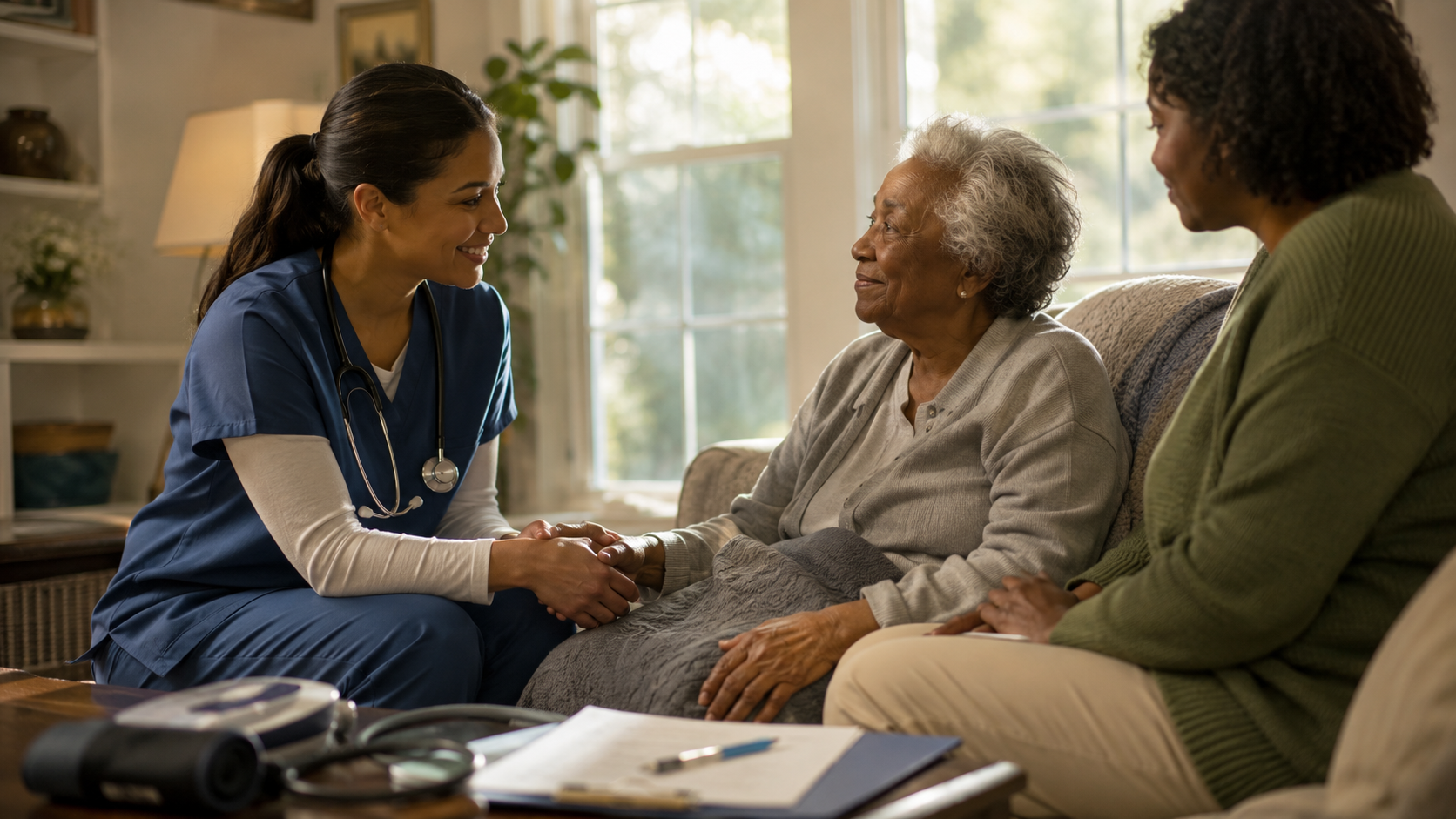
Home health therapists regularly cite the intimacy of home-based practice as both its most demanding and its most rewarding characteristic. The intimacy is clinical — the assessment data available in someone’s home is richer and more functionally accurate than any amount of standardized testing can produce. You see how they actually navigate their kitchen, actually manage their morning routine, actually transfer from their actual bed to their actual bathroom in the light and layout and conditions that constitute their daily reality. The functional assessment you conduct in their living room is the gold standard that clinic-based assessments approximate. But the intimacy is also personal, and learning to hold that with appropriate professional boundaries while allowing it to inform the genuine therapeutic relationship that produces clinical results is a developmental task that home health practice demands continuously.
The scope of clinical knowledge that excellent home health practice requires is broader than most clinicians anticipate when they enter the field. Home health therapists practice in clinical isolation — without the immediate consultant access that hospital and outpatient settings provide, without the equipment availability that clinic settings assume, and without the multidisciplinary team proximity that makes institutional practice collaborative. The home health PT who encounters a patient whose wound concerns, medication interactions, respiratory symptoms, cognitive changes, and social circumstances all present in a single visit must recognize the clinical significance of each finding, prioritize the responses, and navigate the scope of practice questions each observation generates. This is not peripheral competency. It is the core clinical demand of the practice setting.
The evidence base for home health therapy is growing in ways that increasingly validate what experienced home health clinicians have always understood intuitively: that therapy delivered in the patient’s actual environment, focused on the patient’s actual functional demands, and integrated with the actual caregiving and social context of the patient’s life produces results that clinic-based therapy approximates but cannot fully replicate. The home health OT who teaches a stroke patient to dress in their actual bedroom, with their actual clothing, in the sequence that fits their actual morning routine, is practicing at the intersection of evidence-based rehabilitation and contextually authentic care.
The weight of home health practice is real and deserves honest acknowledgment. Bearing witness to the suffering, loss, fear, and vulnerability that home health patients bring to clinical encounters — in the most unguarded environment they inhabit — is emotional labor of a particular intensity. The patient who cries during the session about what they have lost. The family caregiver whose exhaustion is visible in every interaction. The patient whose social circumstances are so inadequate that excellent clinical care is only marginally able to improve their situation. These encounters leave marks, and the clinician who pretends otherwise either has not genuinely engaged or has learned to protect themselves from engagement in ways that compromise the therapeutic relationship along with the emotional exposure.
The emotional sustainability of home health practice — the capacity to engage fully, absorb what clinical work requires emotionally, and return the next day with the presence that the next patient deserves — is not a fixed personal characteristic. It is a practice that clinicians develop actively: through reflective supervision that provides space to process clinical encounters, through peer community with colleagues who understand the specific emotional landscape of home-based care, and through the deliberate cultivation of the practices that sustain professional presence without producing compassion fatigue. Agencies that understand this — that create the organizational conditions for sustainable clinical engagement rather than treating emotional depletion as a clinician failure — retain excellent clinicians and produce better patient outcomes.
The patients who choose home health therapy — who accept a clinician into their home during one of the most difficult periods of their lives, who trust the therapeutic relationship enough to engage honestly with their limitations and their fears, and who work toward recovery in the specific context of the life they want to return to — are making a choice that deserves the best clinical response available. The clinician who enters that home with technical excellence and genuine human presence honors that choice in a way that adequate clinical care does not. The agency that recruits and retains and supports the clinicians who can bring both honors its patients and its mission.
Home health is among the most important healthcare careers for the reasons that make it among the most demanding: it meets patients where they live, in the fullness of the context that constitutes their actual lives, and delivers care that is specific to who they are and what they need in a way that no institutional setting can fully replicate. The clinicians who choose this work deliberately — with eyes open to its demands — carry it with a professional identity that the patients they serve, and the colleagues who understand what they do, genuinely respect.
Humane Care Therapy Inc. recruits OT, PT, SLP, and MSW clinicians who bring technical excellence and genuine human presence to every home health encounter across Houston and Southeast Texas. Our patients deserve both. So do our clinicians. Contact us at (281) 619-3771 or visit humanecaretherapy.com.